onclusion: Low-Altitude Surveillance Radar is the detection foundation of modern anti-drone systems, while a complete counter-UAS solution combines radar detection, tracking, identification, and neutralization technologies to protect critical airspace.
What Is The Difference Between Low-Altitude Surveillance Radar And Anti-Drone System?
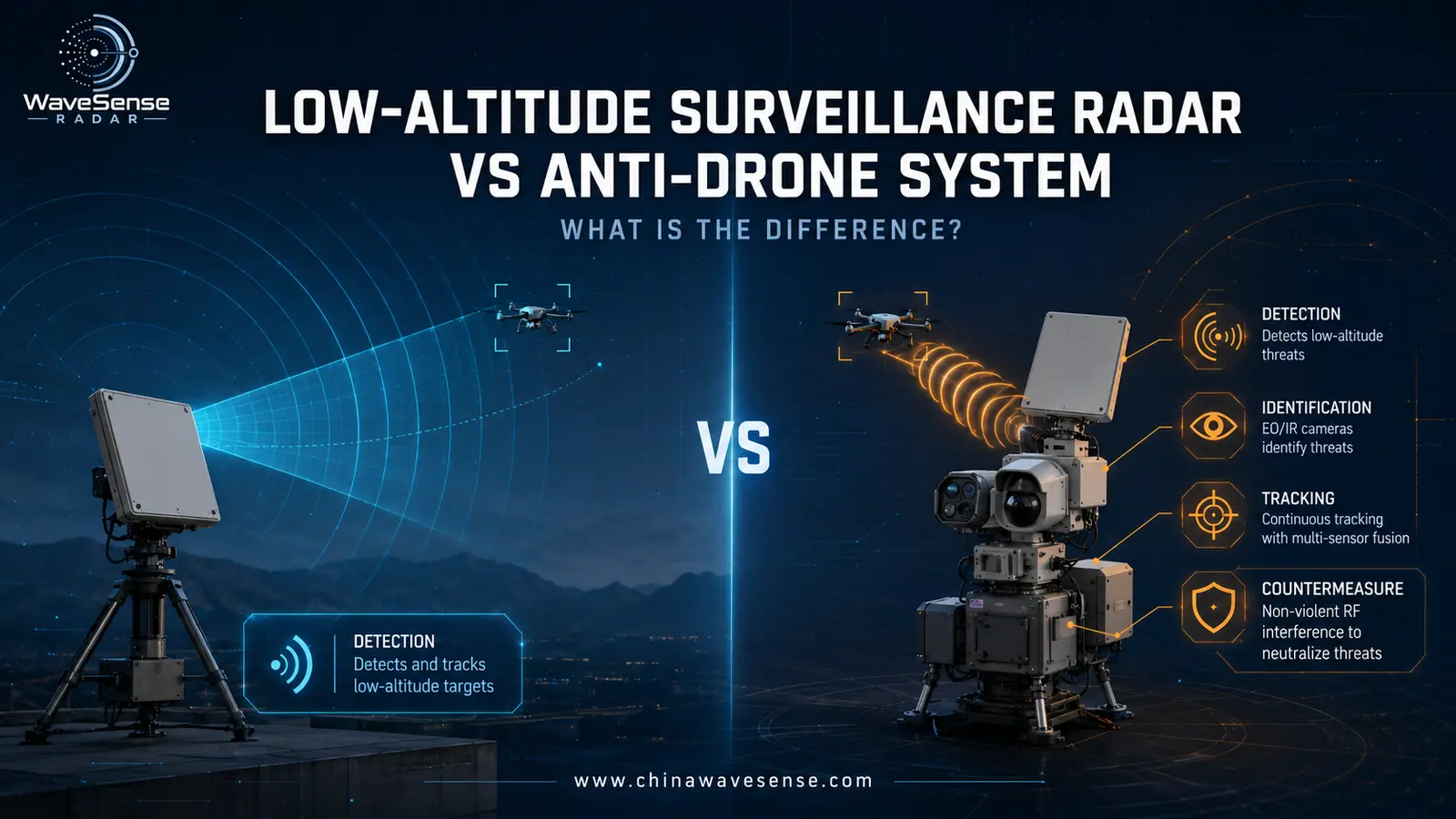
Many users confuse Low-Altitude Surveillance Radar with an anti-drone system. However, they perform different functions.
A radar system focuses on detecting and tracking airborne targets. It answers questions such as:
- Where is the target?
- How fast is it moving?
- What direction is it flying?
- Is it entering a restricted area?
An anti-drone system includes radar as one component and adds identification and response capabilities.
A complete counter-UAS system usually contains:
- Detection radar
- Electro-optical camera
- RF detection equipment
- AI recognition software
- Electronic countermeasure equipment
- Command and control platform
Why Is Radar The First Layer Of Drone Defense?
Detection is the most important step in low-altitude security.
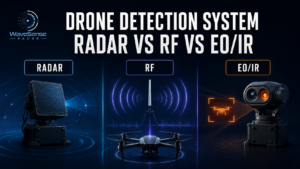
Without early warning, operators cannot respond effectively. Cameras and RF sensors often have limitations:
- Cameras require visual conditions.
- RF detection depends on communication signals.
- Infrared systems may struggle with small targets.
Low-Altitude Surveillance Radar provides continuous 24/7 monitoring regardless of lighting conditions.
It can detect targets before they enter sensitive areas.
How Does Low-Altitude Surveillance Radar Detect Small Drones?
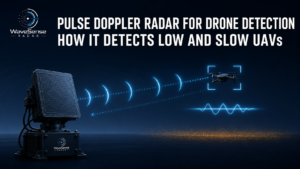
Small drones create several detection challenges because their radar reflection is weak.
Modern radar systems solve this problem through:
Advanced Signal Processing
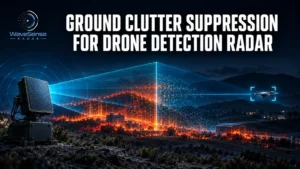
Digital signal processing filters background noise and separates moving targets from environmental clutter.
AI-Based Target Recognition
Machine learning models analyze:
- Flight speed
- Movement pattern
- Altitude changes
- Radar reflection characteristics
This allows the system to classify potential threats.
Multi-Target Tracking Technology
Modern radar platforms can track multiple drones simultaneously and provide real-time location updates.
What Features Should A Professional Low-Altitude Surveillance Radar Have?
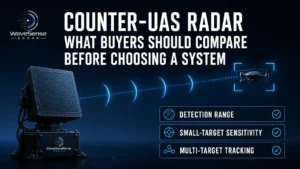
When selecting a radar system, buyers should evaluate several important specifications.
Detection Capability
Important factors include:
- Minimum detectable target size
- Maximum detection range
- Altitude coverage
- Tracking accuracy
A professional system should detect both slow-moving and fast-moving low-altitude targets.
Environmental Adaptability
Outdoor surveillance requires strong environmental performance.
A reliable Low-Altitude Surveillance Radar should operate under:
- Rain
- Fog
- Dust
- Strong wind
- Temperature variations
Military and industrial applications often require IP-rated protection and continuous operation.
Integration Capability
Modern security systems rarely use radar alone.
The radar should integrate with:
- EO/IR cameras
- Command centers
- C2 platforms
- Security networks
- Automated alarm systems
Open architecture improves future expansion.
What Are The Main Applications Of Low-Altitude Surveillance Radar?
Airport Drone Detection
Unauthorized drones near airports can create serious safety risks.
Radar provides early detection and helps airport security teams identify approaching targets before they affect flight operations.
Military And Defense Protection
Military facilities require continuous low-altitude monitoring against:
- Reconnaissance drones
- Attack drones
- Low-flying aircraft
Radar provides early warning and improves reaction time.
Critical Infrastructure Security
Important facilities such as:
- Power plants
- Oil and gas facilities
- Government buildings
- Communication stations
increasingly require low-altitude airspace protection.
How Far Can Low-Altitude Surveillance Radar Detect A Drone?
The detection range depends on:
- Radar frequency
- Antenna design
- Drone size
- Flight altitude
- Weather conditions
Typical ranges include:
- Small consumer drones: 3–10 km
- Industrial drones: 10–20 km
- Larger low-altitude aircraft: 30 km+
High-performance systems can achieve longer detection distances with optimized radar configurations.
Why Is AI Important For Future Low-Altitude Surveillance Radar?
Traditional radar can detect objects, but AI improves decision-making.
AI technology helps systems:
- Reduce false alarms
- Identify drone types
- Predict flight paths
- Analyze suspicious behavior
- Automate threat classification
Future radar systems will become more autonomous and intelligent.
How To Choose A Reliable Low-Altitude Surveillance Radar Manufacturer?
Buyers should consider:
Radar Technology Experience
Manufacturers with strong radar R&D capabilities usually provide better customization and integration.
System Integration Ability
A professional supplier should provide complete solutions instead of only radar hardware.
Application Experience
Experience in airports, military, and industrial security projects demonstrates practical reliability.
Custom Development Capability
Different customers require different:
- Detection ranges
- Frequencies
- Installation methods
- Communication interfaces
OEM and customized solutions are increasingly important.
Conclusion
Low-Altitude Surveillance Radar plays a critical role in modern airspace security by providing early detection and accurate tracking of low-flying threats. Compared with standalone sensors, radar-based solutions offer continuous monitoring, long-range detection, and reliable performance in complex environments.
As drone applications continue expanding worldwide, intelligent radar systems combined with AI and multi-sensor fusion will become the foundation of future low-altitude security networks.